Grease Trap Cleaning
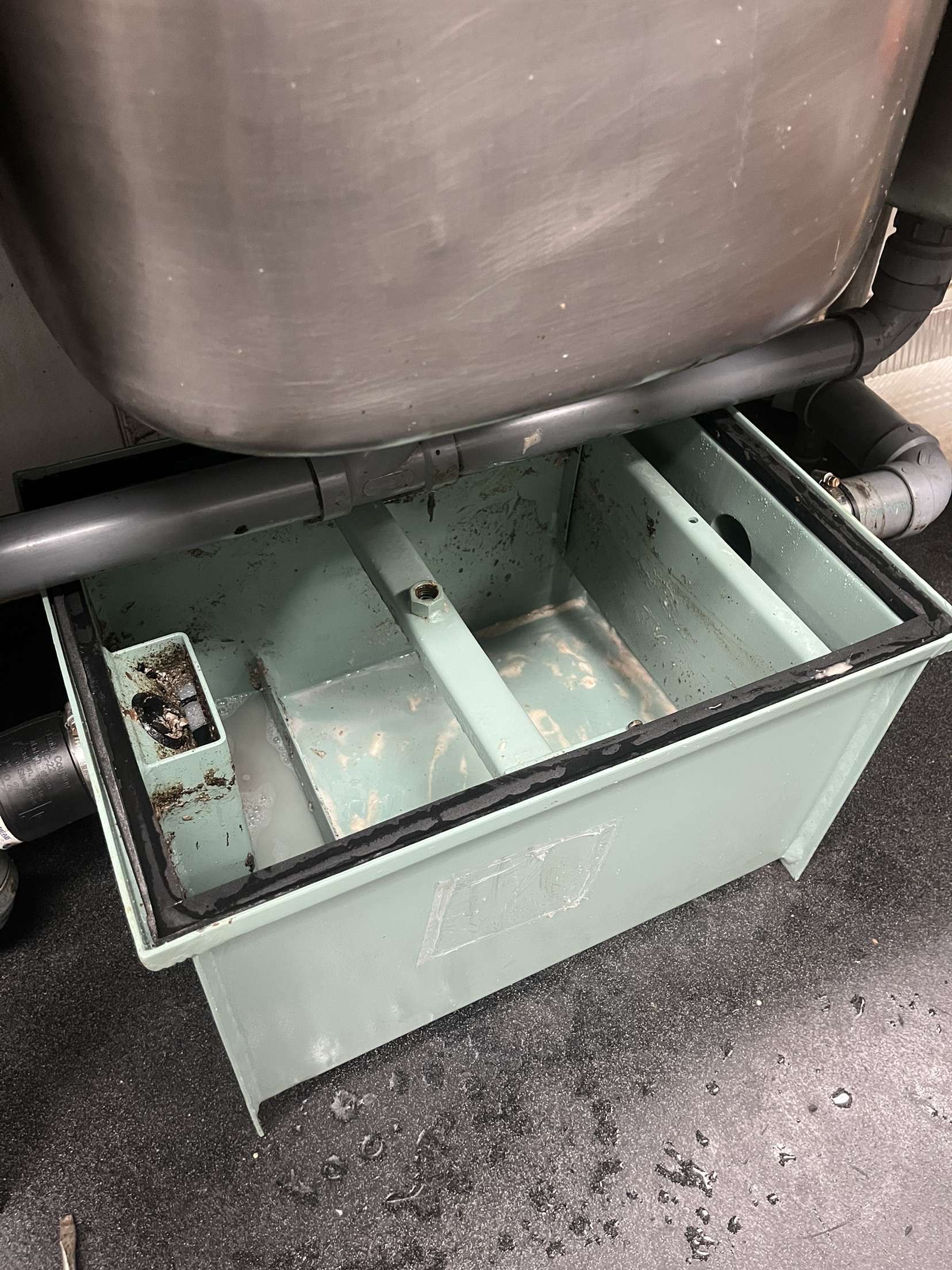
Full removal of fats, oils, and grease (FOG) buildup. We clean in-ground and above-ground traps of all sizes at your Halifax or Nova Scotia location.
Halifax & Nova Scotia's Grease Trap Specialists
Keep your commercial kitchen compliant, odour-free, and running smoothly. Licensed, eco-friendly, and locally owned: serving all of HRM and Nova Scotia.
About Us
Book Brothers Maintenance is a locally owned grease trap cleaning company proudly serving Halifax, Dartmouth, Bedford, and communities throughout Nova Scotia. We specialize in cleaning, pumping, and maintaining grease traps and interceptors for restaurants, hotels, food trucks, cafeterias, and any commercial kitchen.
Our owner-operated approach means you deal directly with experienced professionals: not call centres. We show up on time, do the job right, and keep your kitchen compliant with Halifax Water and Nova Scotia Environment regulations.
Our Services
From routine maintenance to emergency pump-outs, we handle it all across HRM and beyond.
Full removal of fats, oils, and grease (FOG) buildup. We clean in-ground and above-ground traps of all sizes at your Halifax or Nova Scotia location.
High-powered pump-out service for commercial grease interceptors. Fast, efficient, and fully compliant with HRM waste disposal regulations.
Detailed condition reports and documentation for your records. We help you stay ahead of Halifax Water inspections and avoid compliance fines.
Set-it-and-forget-it scheduled maintenance plans. We track your cleaning history and remind you when service is due: no more surprise blockages.
Grease trap backed up or overflowing? We offer priority emergency call-outs across Halifax and the HRM area to get your kitchen back online fast.
All waste is transported and disposed of in full compliance with Nova Scotia Environment regulations. No illegal dumping, ever.
Why Choose Us
We're based in Lawrencetown, NS. When you call, you speak directly to Brady: the owner. No middlemen, no runaround.
No hidden fees. No surprise charges. You get a clear quote upfront before we do any work.
We know Halifax Water bylaws and Nova Scotia Environment requirements inside-out, keeping your business protected from fines.
We show up when we say we will. Consistent, professional service you can count on: every single visit.
How It Works
Fill out our quick form or call us directly. Tell us your grease trap size, type, and your location in Halifax or Nova Scotia.
We confirm a time that works for your business. Our team arrives punctually with all equipment needed for a complete clean.
We pump, clean, and inspect your grease trap: then provide documentation for your compliance records.
All waste is removed from your site and disposed of in full compliance with Nova Scotia regulations. Job done.
Service Area
We travel across HRM and beyond to serve Nova Scotia's food service industry.
Not sure if we cover your area? Give us a call: we'll do our best to help.
Call Us NowKnowledge Base
Detailed, practical guidance for Halifax restaurants, cafés, food trucks, hotels, and commercial kitchens that want to stay compliant, prevent backups, and protect their plumbing.
For most Halifax restaurants and commercial kitchens, grease trap cleaning every 1 to 3 months is the safest range. The right schedule depends on kitchen volume, trap size, menu, and how quickly fats, oils, grease, and solids build up.
If you operate a restaurant, café, bakery, hotel kitchen, food truck, cafeteria, or commercial dishwashing area in Halifax, your grease trap is one of the most important pieces of equipment in the building. When it is maintained properly, it quietly keeps fats, oils, and grease out of your plumbing and the municipal sewer system. When it is neglected, it can cause slow drains, foul odours, emergency shutdowns, failed inspections, and expensive plumbing bills.
Grease trap cleaning is not something to leave until there is a smell. By the time a kitchen notices odours or slow drainage, the trap may already be overloaded. A predictable maintenance schedule is the best way for Nova Scotia food service businesses to avoid emergencies and stay ready for inspections.
A grease trap should be cleaned before grease and settled solids take up too much of the trap’s working capacity. Once the trap becomes overloaded, it can no longer separate wastewater properly. Grease starts passing through the outlet, food solids collect in the wrong places, and the plumbing downstream becomes vulnerable to clogs.
For many Halifax and HRM businesses, the safest grease trap cleaning frequency is every 1 to 3 months. Heavy-use kitchens may need monthly grease trap pumping. Lighter-use cafés, seasonal kitchens, and small food service operations may be able to stay on a quarterly schedule, but only if the trap is inspected and confirmed to be operating properly.
The biggest mistake is waiting until the kitchen smells bad or the sinks drain slowly. By the time staff notice those symptoms, the trap may already be too full. Planned grease trap service is far cheaper than emergency cleaning, plumber callouts, downtime, and compliance trouble.
A predictable schedule also protects staff and customers. Old grease and food solids create unpleasant odours and unsafe working conditions. A clean trap supports a cleaner kitchen, smoother dishwashing, and fewer surprises during busy service hours.
Two Halifax restaurants can have the same trap size and still need different schedules. A breakfast restaurant with bacon grease, a pub with fryers, and a café with mostly coffee and pastries all place different loads on the system. Cleaning frequency is affected by menu, seating capacity, daily covers, dishwashing volume, trap size, staff training, and whether food scraps are scraped before dishes hit the sink.
Small habits matter. Scraping plates, dry-wiping greasy pans, using sink strainers, and keeping fryer oil out of drains can extend the life of your trap between services. Pouring grease down the sink, even with hot water, does the opposite. Hot grease cools inside the plumbing and turns into a blockage risk.
The most reliable way to choose a schedule is to inspect the trap during service and track what is found. If your trap is already heavy after four weeks, monthly service is likely the right move. If it is still in good condition after eight weeks, a longer interval may be reasonable. Guesswork is not a maintenance plan.
Book Brothers Maintenance helps businesses across Halifax, Dartmouth, Bedford, Sackville, Truro, Bridgewater, Kentville, Windsor, and surrounding Nova Scotia communities set practical grease trap cleaning schedules. We clean, pump, inspect, and document the work so you know when your next service is due.
If your grease trap has not been cleaned recently, or if you are not sure whether your current schedule is frequent enough, book an inspection and cleaning. A short visit now can prevent a major backup later. For restaurants and commercial kitchens in Halifax and Nova Scotia, routine grease trap maintenance is one of the simplest ways to protect your plumbing, your staff, and your business.
Slow drains, foul odours, gurgling sinks, and standing water are signs your grease trap may be overdue. Fast service can prevent a small maintenance issue from becoming a costly kitchen emergency.
A grease trap problem rarely appears out of nowhere. Most commercial kitchens get warning signs first. The challenge is that those signs are easy to ignore during a busy lunch rush or dinner service. A sink drains a little slower. A smell appears near the dish pit. A floor drain gurgles. Staff may work around the issue for days before anyone calls for grease trap cleaning.
For restaurants and commercial kitchens in Halifax and Nova Scotia, waiting can be expensive. Grease buildup can turn into plumbing blockages, wastewater backups, odour complaints, lost prep time, and emergency service calls. Knowing the warning signs helps you act before the situation disrupts your business.
Slow drainage is one of the first signs that your grease trap needs attention. When fats, oils, grease, and solids collect inside the trap, wastewater has less room to move. The system becomes sluggish, especially around prep sinks, three-compartment sinks, mop sinks, and dishwashing areas.
If staff notice water taking longer to clear, do not treat it as a minor inconvenience. Slow drains can mean the trap is full, the outlet is restricted, or grease is already moving into the plumbing line.
A maintained grease trap should not create a constant rotten smell in your kitchen. Strong odours usually mean old grease, food solids, and wastewater have been sitting too long. In some cases, odours can travel through floor drains and make the entire back-of-house area unpleasant.
Odour issues are not just embarrassing for staff. In restaurants, cafés, bakeries, hotels, and food service spaces, smells can affect customers and create concerns during inspections. If your kitchen smells like old grease or sewage, book service quickly.
Gurgling is a warning sign that air and water are not moving through the system normally. It may happen when grease buildup restricts flow, when solids are blocking part of the line, or when wastewater is struggling to pass through an overloaded trap. Any recurring gurgling near a grease trap should be checked before it becomes a backup.
Grease around the lid, wet staining, or residue near access points can indicate that the trap is too full, not sealed properly, or experiencing restricted flow. This should never be ignored. Visible grease outside the trap is a sign that the system is not being contained the way it should be.
Standing water near floor drains, dish areas, or prep sinks is a serious warning sign. If water is backing up into the kitchen, stop using the affected drains and call for service. Continuing to run water into a restricted system can make the backup worse and increase cleanup costs.
Backups are especially damaging during business hours. They interrupt food prep, create sanitation concerns, and can force staff to stop work. Emergency grease trap service can often prevent the problem from spreading further into the plumbing system.
If no one knows when the trap was last cleaned, assume it needs attention. This is common when management changes, a new restaurant takes over a space, or a kitchen gets busier after opening. A missing service history is a risk because you do not know how much grease and solids are inside the system.
Routine grease trap pumping removes the grease layer, settled solids, and wastewater before they create plumbing issues. It also gives your service provider a chance to spot signs of damage, heavy buildup, or schedule problems. For Halifax restaurants and Nova Scotia food service businesses, this is the difference between controlled maintenance and disruptive emergency work.
Book Brothers Maintenance provides grease trap cleaning, pumping, and maintenance programs across Halifax, Dartmouth, Bedford, Sackville, Truro, Bridgewater, Kentville, Windsor, and surrounding areas. If your kitchen has slow drains, odours, or backup concerns, getting service quickly can protect your plumbing and keep your business moving.
The best time to clean a grease trap is before it creates a visible problem. The second-best time is as soon as warning signs appear. If your Nova Scotia commercial kitchen is dealing with odours, slow drains, gurgling, or unknown service history, schedule grease trap service before the problem turns into downtime.
Commercial kitchens in Halifax and across Nova Scotia are responsible for keeping fats, oils, and grease out of drains and sewer systems. Here is what owners and managers should know.
Grease trap regulations exist for a practical reason: fats, oils, and grease can damage plumbing, block sewer lines, create odours, and contribute to expensive wastewater problems. For restaurants and commercial kitchens in Halifax, Dartmouth, Bedford, and communities across Nova Scotia, grease management is part of operating responsibly.
Restaurant owners do not need to become wastewater experts, but they do need a basic system: keep grease out of drains, maintain the trap or interceptor, schedule cleaning before buildup becomes excessive, and keep records of service.
FOG stands for fats, oils, and grease. In a commercial kitchen, FOG can come from fryer oil, grill grease, meat fats, butter, sauces, dairy, salad dressings, soups, gravies, and oily dishwater. Even small amounts add up quickly when a kitchen is serving customers every day.
A grease trap or grease interceptor is designed to slow wastewater down so grease can rise and solids can settle. Cleaner water then exits the trap. If the trap is too full, poorly maintained, or improperly used, grease can move into the drainage system instead.
Any business that prepares food and sends greasy wastewater to drains may need regular grease trap service. This includes restaurants, cafés, bars, pubs, fast food locations, ghost kitchens, commercial bakeries, butcher shops, grocery prepared-food departments, hotels, schools, universities, hospitals, long-term care kitchens, and food production spaces.
Even businesses with smaller menus can create grease problems. Coffee shops with baked goods, breakfast counters, sandwich shops, and food trucks still produce food solids and grease that should not enter the drain system untreated.
Many owners focus on the cleaning itself, but records are also important. A service history shows when the trap was cleaned, how often it is maintained, and whether your business is taking FOG management seriously. If you are asked about your grease trap maintenance, clear records are much better than guessing.
Book Brothers Maintenance provides documentation with service so your business can keep track of grease trap cleaning and pumping history. This is helpful for owners, managers, landlords, franchise operators, and anyone responsible for facility maintenance.
One common mistake is assuming a grease trap only needs service when there is a smell. Odour is a late warning sign, not a maintenance schedule. Another mistake is using hot water or chemicals to move grease down the drain. That does not remove grease from the system; it often pushes the problem somewhere harder to reach.
Businesses also run into trouble when no one knows the last service date. If ownership, management, or kitchen leads change, grease trap maintenance can be forgotten. A scheduled service plan prevents that gap.
In practice, inspectors, landlords, and property managers want to see that a business is preventing grease problems before they affect the building or sewer system. A clean trap, a reasonable maintenance schedule, and organized service records all show that the kitchen is being managed responsibly.
This matters for more than compliance. Grease backups can damage neighbouring units, shared plumbing, parking lots, and public sewer infrastructure. A neglected trap can become a building-wide problem, especially in plazas, food courts, and multi-tenant commercial properties.
Book Brothers Maintenance serves Halifax, Dartmouth, Bedford, Sackville, Cole Harbour, Lawrencetown, Truro, Bridgewater, Kentville, Windsor, New Glasgow, Antigonish, Amherst, and other Nova Scotia communities. Local service matters because response time, knowledge of regional kitchens, and reliable scheduling are all important when managing grease trap maintenance.
The easiest way to stay ahead of grease trap regulations is to create a routine: train staff, keep grease out of drains, schedule service, and save records. Grease trap cleaning is not glamorous, but it protects your plumbing, your customers, your staff, and the public sewer system.
If you are unsure whether your trap is clean enough, whether your schedule is frequent enough, or whether your records are organized, Book Brothers Maintenance can help. We provide grease trap cleaning, pumping, inspection notes, and maintenance programs for food service businesses across Halifax and Nova Scotia.
FAQ
HRM and Halifax Water regulations require grease traps to be serviced before they reach 25% capacity: typically every 1 to 3 months for busy commercial kitchens. The exact frequency depends on your kitchen volume and trap size.
Pricing varies based on your grease trap size, type (in-ground vs. above-ground), and condition. We offer transparent, competitive pricing with no hidden fees. Contact us for a free custom quote.
We service the entire HRM including Halifax, Dartmouth, Bedford, and Sackville, as well as Truro, Bridgewater, Kentville, Windsor, and many other Nova Scotia communities. Call us to confirm your location.
Yes. Halifax Water bylaws require all food service establishments connected to the municipal sewer system to install and maintain properly functioning grease traps or interceptors.
Neglected grease traps cause blocked drains, foul odours, sewage backup, failed health inspections, and costly fines from Halifax Water. Regular cleaning is far cheaper than emergency repairs or bylaw penalties.
Absolutely. All grease waste is collected, transported, and disposed of in full compliance with Nova Scotia Environment and Halifax Water regulations. We never dump waste improperly.
Yes. We offer priority emergency service for backed-up or overflowing grease traps in Halifax and the HRM area. Call (902) 293-3783 for urgent assistance.
Free Quote
Fill in your details and we'll respond with a transparent, no-obligation quote. Serving all of Halifax, HRM, and Nova Scotia.
Sign up for a monthly cleaning plan and we'll waive your first service completely. No hidden fees: just reliable, scheduled maintenance you can count on.
Select "Maintenance Plan" under Service Needed to claim this offer.
Prefer to talk directly?
(902) 293-3783Contact
Have a question about grease trap cleaning in Halifax or Nova Scotia? Reach out: we're happy to help.
Get your free grease trap cleaning quote today. Serving Halifax, Dartmouth & all of Nova Scotia.